


VMI Versus Onsite Storage for Industrial Supply

A production line stopped by a missing $0.40 fastener can cost far more than the part itself. That is why VMI versus onsite storage is not simply a warehousing decision. It determines who monitors usage, who carries inventory responsibility, how quickly material is replenished, and how reliably critical parts reach the point of use.
For manufacturers, fabricators, contractors, and commercial operations, the right approach depends on consumption patterns, available space, procurement capacity, and the operational cost of a stockout. Both models can improve material availability. Their value comes from applying them to the right items and managing the program with clear rules.
VMI Versus Onsite Storage: The Core Difference
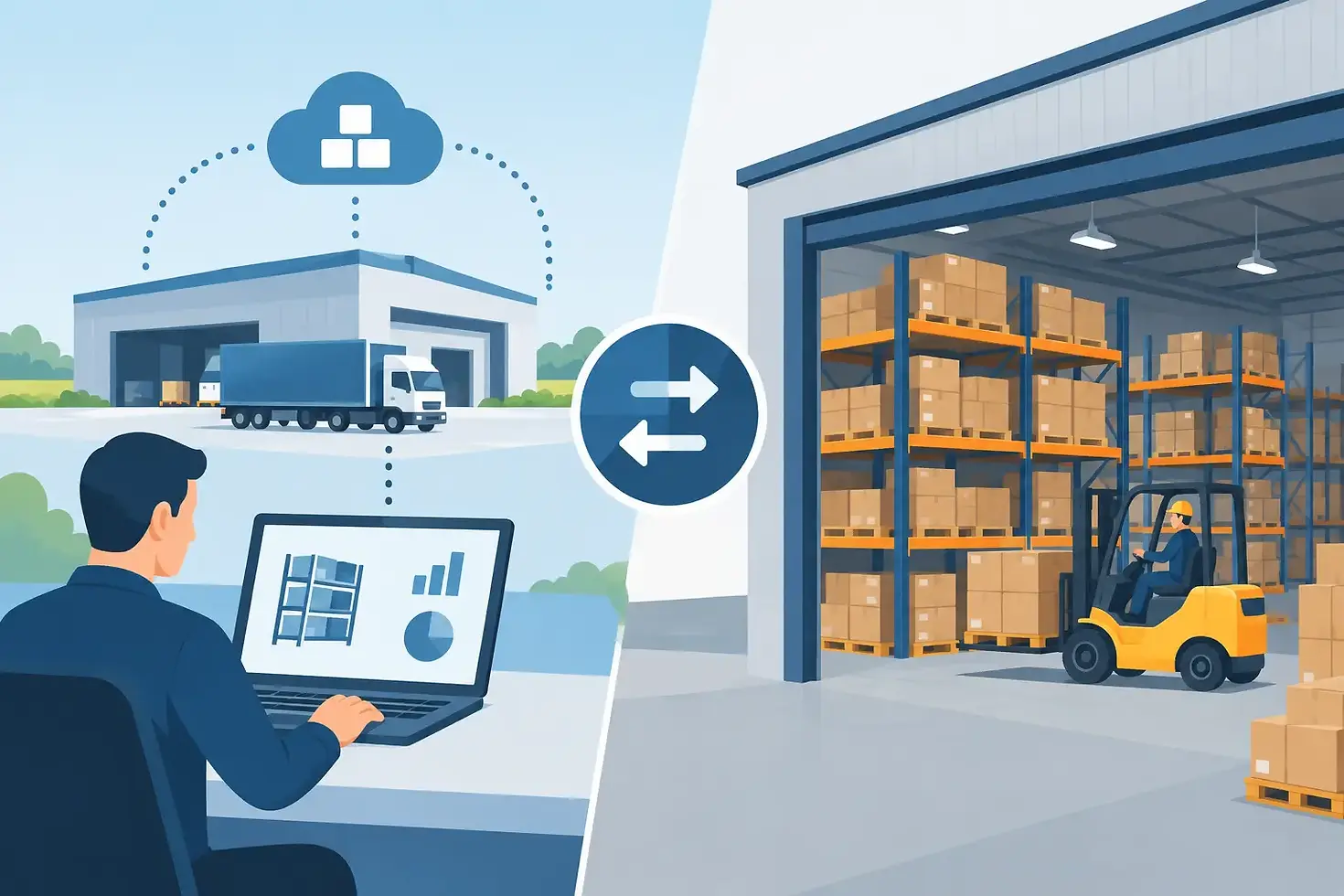
Vendor-managed inventory, or VMI, is a replenishment model. The supplier monitors agreed inventory levels and replenishes product based on consumption, minimum and maximum quantities, scheduled reviews, or electronic usage data. The supplier may own the material until it is used in a consignment arrangement, but VMI does not automatically mean consignment. Ownership, invoicing, and replenishment responsibilities should be defined separately.
Onsite storage refers to where inventory is held: at the customer’s facility, jobsite, warehouse, crib, or production area. It can be customer-owned stock purchased in advance, supplier-owned consignment inventory, or material managed through a VMI program. In practical terms, onsite storage is the physical setup, while VMI is the management process.
The distinction matters because a business can have onsite storage without VMI. A maintenance department may buy and receive fasteners, abrasives, safety supplies, or hardware into its own stockroom, then rely on employees to count, reorder, and issue material. It can also have VMI without a large dedicated storeroom, with a supplier replenishing point-of-use bins or compact inventory areas on a scheduled basis.
When Vendor-Managed Inventory Makes Sense
VMI is most effective when an operation uses recurring items at predictable or measurable rates. Standard fasteners, anchors, washers, fittings, shop consumables, packaging materials, and repeat production components are common candidates. These are often low-cost individual items with a high operational consequence when unavailable.
The principal benefit is less administrative handling. Instead of creating frequent purchase orders for small replenishment quantities, the customer and supplier agree on stock levels, packaging units, review frequency, and escalation procedures. The supplier takes on the routine work of identifying shortages and maintaining availability.
For a production environment, VMI can also improve consistency. Approved product specifications, finishes, sizes, and packaging formats can be established in advance. This reduces the risk that a substitute item is purchased under pressure because the correct material was not available.
VMI is not a set-it-and-forget-it arrangement. It requires accurate item data, clear bin labels, defined replenishment triggers, and regular review of actual consumption. If usage changes because of a new contract, seasonal demand, engineering revisions, or a shift in production volume, inventory levels must change with it. A program based on outdated minimums can still create shortages or excess stock.
When Customer-Managed Onsite Storage Is the Better Fit
Customer-managed onsite storage gives the operation direct control over purchasing timing, inventory ownership, and stockroom practices. It can be the better choice for high-value materials, irregular-demand items, project-specific components, or parts requiring close internal authorization before release.
A fabricator may need specialty hardware or coated components tied to a particular project schedule. A contractor may carry selected materials at a jobsite for immediate access, while controlling each release against the project budget. In these situations, the customer may prefer to buy material outright and manage it internally rather than place it into a standard replenishment program.
This model can work very well when the company has disciplined inventory processes. That includes receiving controls, organized locations, cycle counts, designated reorder points, and staff with clear accountability. Without those controls, onsite inventory can become difficult to trust. Material may be present but misplaced, recorded quantities may not match physical counts, and slow-moving stock can accumulate unnoticed.
Direct ownership also means the customer carries the cost of excess inventory. That is not always a disadvantage. Buying ahead can protect a business from long lead times, project volatility, or supplier interruptions. The question is whether the security of additional stock justifies the capital, space, and handling required to maintain it.
Compare the Costs Beyond Unit Price
The unit price of a bolt, fitting, or consumable is only one part of the cost. Procurement teams should compare VMI and onsite storage against the total cost of keeping material available.
With a customer-managed program, internal costs may include purchase-order processing, receiving, put-away, counting, stockroom space, inventory write-offs, emergency freight, and employee time spent searching for material. These costs can be significant for large numbers of low-value, high-use SKUs.
With VMI, the customer may reduce those routine tasks, but the program needs enough volume and consistency to justify supplier service activity. Requirements for dedicated bins, scheduled site visits, reporting, or special packaging should be evaluated openly. The strongest programs make the service level, inventory ownership, replenishment intervals, and billing method visible from the beginning.
For critical production items, the largest cost is often the cost of downtime. A supplier program that prevents one missed shipment, delayed crew, or interrupted production run may provide more value than a marginal reduction in material price.
Use Item Segmentation Instead of One Inventory Rule
Most industrial operations do not need to choose one model for every item. A hybrid approach is usually more practical.
High-usage, standardized items are strong VMI candidates. These may include commonly used fasteners, nuts, washers, anchors, shop supplies, and packaging components. They are easy to identify, easy to count, and costly to run out of during normal operations.
Project-specific parts, custom assemblies, specialty finishes, and low-volume items usually require separate planning. They may need purchase orders tied to a job, production schedule, or approved submittal. Long or custom-coated fabricated components, for example, should be planned around fabrication, finishing, cure time, packaging, and delivery requirements rather than treated as ordinary bin stock.
A useful segmentation review considers four questions:
Is demand recurring enough to establish a reliable minimum and maximum?
What happens operationally if the item is unavailable for one shift or one day?
Is the item standardized, or does it change by project, finish, size, or specification?
Does the item justify dedicated onsite space and routine replenishment activity?
The answers identify where vendor management can reduce work and where direct internal control remains necessary.
Building an Onsite Inventory Program That Holds Up
Whether inventory is vendor-managed or customer-managed, the physical program must be built for execution. Bins should have a clear item description, part number, unit of measure, approved source, and defined minimum and maximum level. Similar items should not be mixed simply because they appear interchangeable. Differences in thread type, material grade, coating, length, finish, or certification can matter at installation or inspection.
Replenishment rules should also reflect lead time. An item used every day but available locally may need a different minimum than a specialty item with a longer supply cycle. Consumption data is more useful than assumptions, particularly after new equipment, a major project award, or a change in production mix.
Cycle counts remain necessary. A VMI supplier can monitor and replenish agreed stock, but the customer should still maintain visibility into what is being consumed and why. Unexpected usage can reveal rework, product loss, unauthorized withdrawal, inaccurate bills of material, or changes in field conditions.
Supplier accountability is equally important. The program should define who places material in bins, who reports shortages, how substitutions are approved, and what happens when demand exceeds the agreed range. These details turn an inventory service into a dependable operating process.
Choosing the Right Level of Control
The best choice is rarely based on a preference for VMI or onsite storage alone. It is based on matching control to the item and the risk. A stable, high-use fastener program may benefit from supplier-led replenishment. A costly, engineered, or project-specific component may require internal purchasing control and planned onsite stock. Many operations need both.
Huyck Industrials supports industrial supply programs with stocked inventory, customized packaging, kitting, labeling, and replenishment coordination, allowing customers to align material availability with actual production and project requirements.
Start with the materials that create the most purchasing activity or the greatest disruption when missing. A focused review of usage, lead times, stockouts, and onsite handling will show where a managed program can reduce effort and where keeping direct control is the sounder operational decision.


Comments